
Introduction to Carbon Fiber Molding
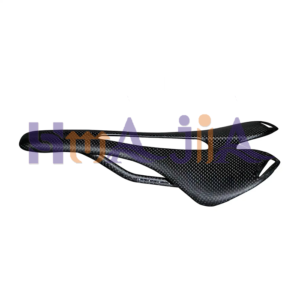
Carbon fiber is a material composed of thin, strong crystalline filaments that are made from carbon atoms. This unique structure grants carbon fiber a number of advantageous properties that contribute to its growing significance in various high-performance industries, including automotive, aerospace, and sports. Specifically, its exceptional strength-to-weight ratio makes it an indispensable engineering material for applications that require both lightness and strength, such as aircraft components and high-performance vehicles.
The manufacturing process of carbon fiber has evolved significantly over the years, allowing its integration into molded forms that can be tailored to meet specific requirements. The carbon fiber molding process involves utilizing sophisticated techniques such as resin transfer molding (RTM) and compression molding, which ensure optimal shaping and curing of the material. This precision not only enhances the structural integrity of the final product but also aids in producing complex geometries that are often challenging to achieve with traditional materials such as metals.
Furthermore, carbon fiber exhibits notable durability and resistance to environmental factors, such as moisture, UV light, and corrosion. This longevity translates into reduced maintenance costs and extended service life, making it a preferred material choice in the construction of sports equipment, automotive parts, and aerospace applications. The lightweight nature of carbon fiber also contributes to increased fuel efficiency in vehicles and aircraft, which is particularly valuable given the industry’s ongoing pursuit of sustainability and reduced carbon footprints.
In conclusion, the versatility and superior properties of carbon fiber are revolutionizing manufacturing processes across various sectors. Understanding the fundamentals of carbon fiber molding is crucial for industries aiming to leverage these benefits in their production processes.
Understanding Carbon Fiber Prepreg
Carbon fiber prepreg, short for pre-impregnated carbon fiber, is a composite material that plays a critical role in various molding applications. Unlike traditional carbon fiber materials, which require the application of resin during the manufacturing process, prepreg is characterized by its pre-consistent ratio of high-strength carbon fibers and a resin matrix that is partially cured.
The composition of carbon fiber prepreg typically involves a combination of carbon fiber strands infused with a thermoset resin, which is often epoxy. This specialized manufacturing process ensures that the fibers are uniformly coated with resin, enhancing the overall performance of the material. The precise control over resin content in prepreg is a significant advantage, resulting in superior mechanical properties and enhanced structural integrity.
Manufacturing carbon fiber prepreg involves a process called filament winding or hand lay-up, where continuous fiber tows are coated with a resin mixture and then rolled onto a carrier film. The resulting sheets are maintained under controlled temperature conditions until they are ready for use. This efficiently prepares the material for molding, making it significantly more versatile than traditional forms of carbon fiber that must be saturated with resin during the molding process.
One of the main advantages of using carbon fiber prepreg in molding applications is the consistency it offers in fiber distribution. This uniformity eliminates the potential for large voids which can weaken the final product. Additionally, the reduced void content is critical in applications requiring high-performance components, as it contributes to improved strength-to-weight ratios. Overall, carbon fiber prepreg stands out for its contribution to the advancement of composite materials, offering reliable, high-performance solutions in aerospace, automotive, and sporting goods industries.
The Molding Process: Step by Step
The carbon fiber molding process is a sophisticated technique that combines high-performance materials with advanced manufacturing methods to produce durable and lightweight components. The first step in the molding process involves placing carbon fiber prepreg—a composite material impregnated with resin—between the upper and lower molds. This configuration ensures that the carbon fiber fibers are optimally aligned for maximum strength and performance in the final product.
Once the prepreg is positioned, the next step is to seal the molds carefully. This sealing process is crucial as it prevents any air from entering the mold, which could result in defects in the final component. Ensuring a tight seal also allows the pressure applied later to be effectively distributed throughout the mold.
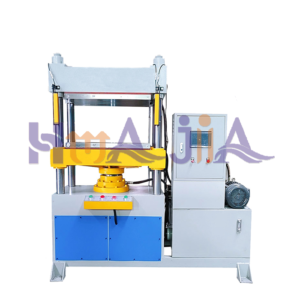
Following the sealing, the molds, now containing the prepreg, are placed on a hydraulic platform. This hydraulic press plays a fundamental role in the molding process, applying significant pressure to the molds. The parameters of temperature and pressure are critical during this phase. Typically, molds are heated to temperatures around 120 to 180 degrees Celsius, while pressures of approximately 50 to 100 bar are utilized. The high temperature is essential for curing the resin, which transforms from a liquid to a solid state, fixing the carbon fibers in place.
As the hydraulic press operates, it not only helps in shaping the component but also ensures that the resin fully penetrates the fiber layers. This solidification of the resin under high pressure and temperature is what ultimately enhances the mechanical properties of the finished product. The precision in this step is vital, as any deviation in temperature or pressure can lead to incomplete curing or inadequate bonding between fibers, affecting the integrity of the component.
Post-Molding and Quality Assurance
After the carbon fiber molding process is complete, careful attention must be given to the subsequent steps involving the removal of the molded product from the hydraulic press. This removal is a critical phase, as it requires specific techniques to avoid damaging the newly formed carbon fiber structure. Operators typically employ tools designed to facilitate a safe and efficient extraction without introducing stress or deformation to the molded item.
Once the product is successfully removed from the mold, it must undergo a necessary cooling process to allow the resin to fully cure and stabilize. Effective cooling can prevent warping and other dimensional changes, which are crucial for maintaining the integrity of the final product. Depending on the type of resin used during the molding process, this cooling can require several hours to achieve optimal results. The environment in which this cooling occurs should be controlled, minimizing exposure to extreme temperatures or humidity that could affect quality.
Quality assurance checks are paramount in ensuring the molded carbon fiber components meet the required specifications. A variety of inspection techniques such as visual inspections, ultrasonic testing, and X-ray examinations are employed to detect potential imperfections, such as voids, cracks, or uneven thickness. Each of these methods offers different insights and advantages in identifying flaws that could compromise the performance of the final product in its intended application.
Additionally, after inspections, the molded carbon fiber products often undergo further testing to evaluate their performance characteristics, such as strength, rigidity, and durability. This performance testing ensures that the components will fulfill their functional requirements when deployed in their respective settings, whether in aerospace, automotive, or sports equipment industries. These stringent quality assurance measures protect both the manufacturer and end-users from potential failures or safety issues, confirming the reliability of carbon fiber molded products.