
Introduction to Carbon Fiber Hot Press Machines
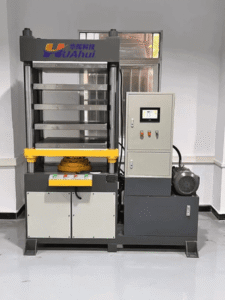
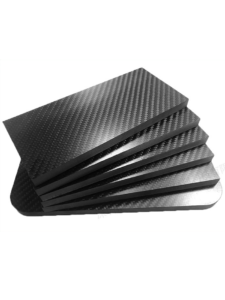
Carbon fiber hot press machines play a critical role in the manufacturing industry, particularly in the production of carbon fiber composites. These machines are designed to facilitate the molding and curing processes that ensure high-quality composite components. At their core, carbon fiber hot press machines apply heat and pressure to carbon fiber sheets or pre-impregnated materials, enabling them to form complex, durable shapes that are essential in various applications from automotive to aerospace.
The fundamental operation of a carbon fiber hot press machine involves an intricate interplay of temperature and pressure. When carbon fiber materials are placed within the machine, the heated platens apply pressure uniformly across the material, which causes the resin within the fibers to activate. This activation is crucial as it allows the resin to flow and fill the spaces between the fibers, ultimately creating a solid, cohesive structure when cooled. The controlled environment provided by these machines ensures that the mechanical properties of the resulting composite are significantly enhanced, making them suitable for use in high-performance applications.
In terms of applications, carbon fiber hot press machines are invaluable in sectors where weight reduction without compromising strength is paramount. Industries such as automotive, aerospace, and sports equipment heavily rely on these machines to produce components that are both lightweight and remarkably strong. Furthermore, as technological advancements continue to evolve, the versatility of carbon fiber hot press machines is expected to expand, leading to new and innovative applications. Overall, understanding how these machines function and their significance in composite manufacturing provides insight into their vital contribution to modern industrial practices.
The Science Behind Hot Pressing
The hot pressing process used in the manufacture of carbon fiber components hinges on several fundamental scientific principles, particularly relating to the roles of heat and pressure. At its core, hot pressing involves applying high temperatures and pressures to facilitate the curing and bonding of carbon fiber materials, typically in combination with epoxy resins.
Heat plays a crucial role in altering the physical and chemical properties of epoxy resins. When heat is applied, the viscosity of the resin decreases, allowing it to flow more freely and fill the voids between the carbon fibers. This improved wet-out is essential for achieving a strong and cohesive bond between the fibers and the resin matrix. As the temperature continues to rise during the hot press process, it accelerates the curing reaction, transforming the liquid resin into a solid, thermoset polymer. This solidification process enhances the mechanical properties of the carbon fiber composite, making it more robust and durable.
Pressure, on the other hand, is necessary to consolidate the layers of carbon fiber and resin, reducing any air pockets or potential weaknesses within the material. By applying uniform pressure, the hot press not only ensures even distribution of heat but also maximizes fiber-to-resin contact. This enhanced interface is pivotal for the structural integrity of the final product, influencing everything from tensile strength to fatigue resistance.
In conclusion, the science behind hot pressing is a complex interplay of heat and pressure that significantly affects the properties of carbon fiber composites. Understanding these scientific principles is essential for optimizing the hot press process, ensuring superior performance and longevity of the final products.
Key Components of a Carbon Fiber Hot Press Machine
A carbon fiber hot press machine is an essential equipment in the manufacturing of composite materials. The efficiency and effectiveness of this machine hinge on several key components, each serving a critical function in the overall process. Understanding these components is vital for optimizing performance and ensuring the production of high-quality composites.
One of the primary components is the heating plates. These plates are designed to provide uniform heat distribution, which is crucial for curing the resin in the carbon fiber. Typically made from durable materials that can withstand high temperatures, heating plates work in conjunction with the other elements to create the ideal environment for the curing process.
The control panel is another foundational component. This user interface enables the operator to monitor and adjust the temperature, pressure, and time required for the curing process accurately. Advanced control panels may also feature digital displays and programmable settings to cater to various production needs, thus enhancing the efficiency of the machine.
The hydraulic system plays a pivotal role in the operation of a carbon fiber hot press machine. It provides the necessary pressure to compress the materials together, ensuring that the fiber and resin bond correctly. The hydraulic system must be robust, as the pressure applied can significantly impact the final composite’s strength and integrity.
Frames are also significant, as they provide the structural support and stability for the entire assembly. A well-designed frame not only increases the machine’s durability but also minimizes vibrations during operation, thus contributing to consistent results in composite production.
In conclusion, each of these components—the heating plates, control panel, hydraulic system, and frames—functions interdependently to ensure the carbon fiber hot press machine operates effectively. By understanding the purpose and interplay of these parts, manufacturers can achieve improved results in their composite production processes.
Different Types of Carbon Fiber Hot Press Machines
Carbon fiber hot press machines play a crucial role in the manufacturing of composite materials, particularly those that incorporate carbon fiber. Understanding the different types of these machines is essential for industries looking to optimize their production processes. Typically, the categorized types include manual, semi-automatic, and fully automatic hot press machines. Each type offers specific benefits and is suited for particular use cases.
Manual carbon fiber hot press machines are often favored by smaller operations or those requiring flexibility in production. These machines allow operators to control the pressing process manually, which can be advantageous for custom fabrications or low-volume production runs. The primary benefit of manual machines is their lower initial investment and the operator’s ability to intervene and adjust parameters in real-time. However, they require more labor and time to operate effectively.
Semi-automatic machines bridge the gap between manual and fully automatic options, providing a mix of ease of use and operational control. These machines typically automate specific functions of the pressing process while allowing operators to intervene when necessary. This level of automation aids in reducing production time without entirely sacrificing flexibility. Industries that focus on moderate-volume production runs, where some customization is still required, often utilize semi-automatic carbon fiber hot press machines.
Lastly, fully automatic hot press machines represent the pinnacle of efficiency in carbon fiber processing. Equipped with advanced technology, these machines can handle multiple tasks simultaneously without human intervention. They are ideal for high-volume production environments where consistency and speed are paramount. The drawback, however, includes a higher acquisition cost and less adaptability for highly customized projects. In summary, the choice between manual, semi-automatic, and fully automatic machines often depends on production needs, budget, and the desired level of operational control.
Advantages of Using Carbon Fiber Hot Press Machines
Carbon fiber hot press machines have revolutionized the manufacturing processes associated with composite materials. One of the most notable advantages of employing these machines is the significant enhancement in the mechanical properties of the final products. By applying high temperature and pressure, the carbon fibers within the composite are aligned more effectively, creating a material with superior strength-to-weight ratios. This attribute is particularly beneficial in industries such as aerospace and automotive, where performance and safety are paramount.
Another advantage is the consistency in manufacturing that hot press machines deliver. In traditional methods, variability can disrupt the quality of the final product, resulting in defects or inconsistency in mechanical properties. However, hot press machines provide an environment that minimizes such variations, ensuring that each batch produces components that meet precise specifications. This reliability is critical for businesses that rely on strict quality control protocols.
Moreover, the enhanced processing speed associated with carbon fiber hot press machines significantly reduces production time. The ability to achieve optimal bonding and curing times under controlled conditions allows manufacturers to streamline operations and meet increasing demands in a timely manner. The efficiency gained from this accelerated curing process not only improves throughput but also contributes to overall cost-effectiveness in production.
Lastly, the cost-effectiveness of hot press machines stands as a primary advantage. While the initial investment in such machinery can be substantial, the consistent quality and speed of production can lead to reduced material waste and lower labor costs over time. These factors together enhance the overall economic viability of using carbon fiber hot press machines, making them an attractive option for manufacturers aiming to optimize their production processes.
Applications of Carbon Fiber Hot Press Machines
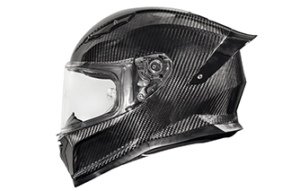
Carbon fiber hot press machines have emerged as pivotal tools in various industries owing to their ability to produce lightweight, durable, and high-performance composite materials. One of the most prominent applications is in the automotive industry, where manufacturers are increasingly using carbon fiber for components such as body panels, frames, and other structures. These parts not only reduce vehicle weight but also enhance their structural integrity and fuel efficiency. For example, luxury and high-performance car brands are investing in carbon fiber technologies to achieve better acceleration and handling, which is crucial for competitive automotive markets.
The aerospace sector is another key area where carbon fiber hot press machines play a significant role. Aircraft manufacturers utilize these machines to create lightweight components that can withstand extreme flying conditions while ensuring safety and speed. A notable instance is the production of wing structures and fuselage components, which benefit from carbon fiber’s high strength-to-weight ratio. Companies like Boeing and Airbus have incorporated carbon composites in their latest models, highlighting the significance of hot pressing technology in modern aviation.
In the marine industry, carbon fiber hot press machines are employed to fabricate components for boats and yachts, thereby enhancing performance and fuel efficiency. The ability to produce seamless and lightweight hulls gives marine manufacturers a competitive advantage, allowing for faster and more maneuverable vessels. For instance, companies engaged in luxury yacht construction often rely on carbon fiber technology to achieve elegance paired with functionality.
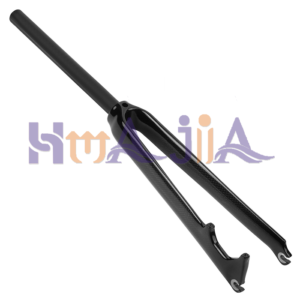
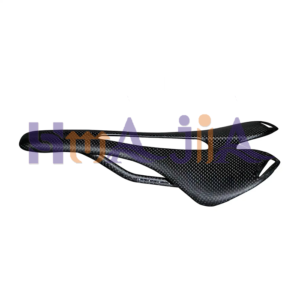
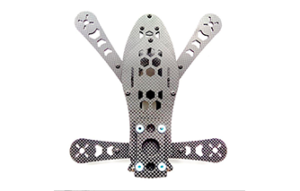
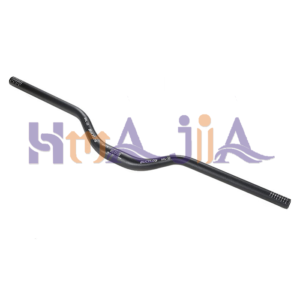
Furthermore, the sports equipment sector has adopted carbon fiber extensively due to its superior mechanical properties. Hot press machines facilitate the production of lightweight yet robust sports gear, including bicycles, tennis rackets, and angling rods. The integration of carbon fiber results in improved performance and durability, catering to the demands of professional athletes and enthusiasts alike.
Factors to Consider When Choosing a Carbon Fiber Hot Press Machine
When selecting a carbon fiber hot press machine, manufacturers must evaluate several critical factors to ensure they choose a model that meets their operational needs. One of the primary considerations is the size of the machine. The dimensions of the hot press must align with the dimensions of the products being manufactured, as larger workpieces require machines with an adequate area to accommodate the molding process.
Another vital aspect to consider is the pressure capacity of the machine. Different applications demand varying levels of pressure; therefore, it is essential to select a machine that can provide the required force for effective molding of carbon fiber materials. Insufficient pressure may lead to inadequate consolidation and compromised material properties, which could negatively impact the final product’s performance.
The heating methods employed by the hot press machine also play a crucial role in its effectiveness. Common heating methods include hydraulic and electric systems, each having its advantages and drawbacks. Manufacturers should assess which heating method best suits their production requirements in terms of efficiency, energy consumption, and uniformity of heat distribution.
Material compatibility is another key factor. Different carbon fiber composites may have specific processing temperatures and times; hence, ensuring that the machine can accommodate these specifications is paramount. Additionally, industries may require machines that can process various composite materials, including epoxy or thermoplastic resins, broadening versatility.
Finally, cost is an inevitable consideration. While it can be tempting to opt for the least expensive option, a comprehensive evaluation of the machine’s features and capabilities relative to its price should be conducted. Investing in a higher-quality machine may result in better long-term productivity and reduced maintenance costs.
Maintenance and Care for Hot Press Machines
Proper maintenance and care of carbon fiber hot press machines are essential for ensuring long-term performance and reliability. Routine inspections play a critical role in identifying potential issues before they escalate. Operators should establish a regular schedule for checking key components such as hydraulic systems, heating elements, and electrical connections. This can help in detecting worn parts or leaks that may otherwise lead to significant operational problems.
Cleaning the hot press machine is equally vital to maintain its efficiency. Dust and residues can accumulate in various parts, affecting its functionality. It is advisable to use appropriate cleaning agents and tools specifically designed for machinery maintenance. Operators should pay special attention to the heating surfaces and any moving parts, ensuring they are free from debris and bonded materials that could cause malfunctions.
Furthermore, troubleshooting potential issues promptly can prevent extended downtime. Operators should be trained to recognize common signs of malfunction, such as abnormal sounds or reduced heating efficiency. If an operator encounters unusual behavior, referring to the manufacturer’s troubleshooting guide can provide immediate steps to diagnose and rectify the problem. In addition, maintaining a log of maintenance activities and repairs can be beneficial for tracking the machine’s performance over time and planning future maintenance needs.
Investing time in proper maintenance not only increases the lifespan of carbon fiber hot press machines but also contributes to better product quality. By adhering to these best practices, operators can ensure that their machines operate at peak efficiency, minimizing disruptions and maintaining a high standard of production.
Future Trends in Carbon Fiber Manufacturing
The carbon fiber industry is poised for a transformative shift, particularly in the realm of manufacturing techniques involving hot press technology. As the demand for high-performance materials escalates across various sectors, the evolution of automation within carbon fiber production is set to play a pivotal role. Advanced robotics and AI-driven systems are becoming increasingly integrated into manufacturing processes. These innovations not only aim to enhance efficiency but also improve the precision and quality of carbon fiber products.
Furthermore, sustainability is emerging as a critical focal point in the carbon fiber industry. The environmental implications of production methods are prompting manufacturers to seek eco-friendly alternatives and practices. For instance, the utilization of bio-based precursors and recycling technologies provides a dual benefit of reducing undue strain on natural resources while also minimizing waste. Such initiatives align with global efforts toward sustainable development and are expected to shape future manufacturing trajectories.
In addition to automation and sustainability, the exploration of hybrid materials is gaining traction within the carbon fiber sector. Manufacturers are investigating combining carbon fiber with other materials to create composites that leverage the advantages of both components. These hybrid solutions not only promise enhanced performance characteristics but also offer potential cost reductions, thereby broadening the application range of carbon fiber products.
Ultimately, the future of carbon fiber manufacturing appears to be one fueled by technological advancement and an unwavering commitment to sustainability. With the ongoing development of hot press machines, we can anticipate a new era characterized by efficiency, versatility, and an environmentally conscious approach. As the industry adapts to these changes, keeping pace with innovations will be essential for manufacturers to remain competitive and responsive to market demands.